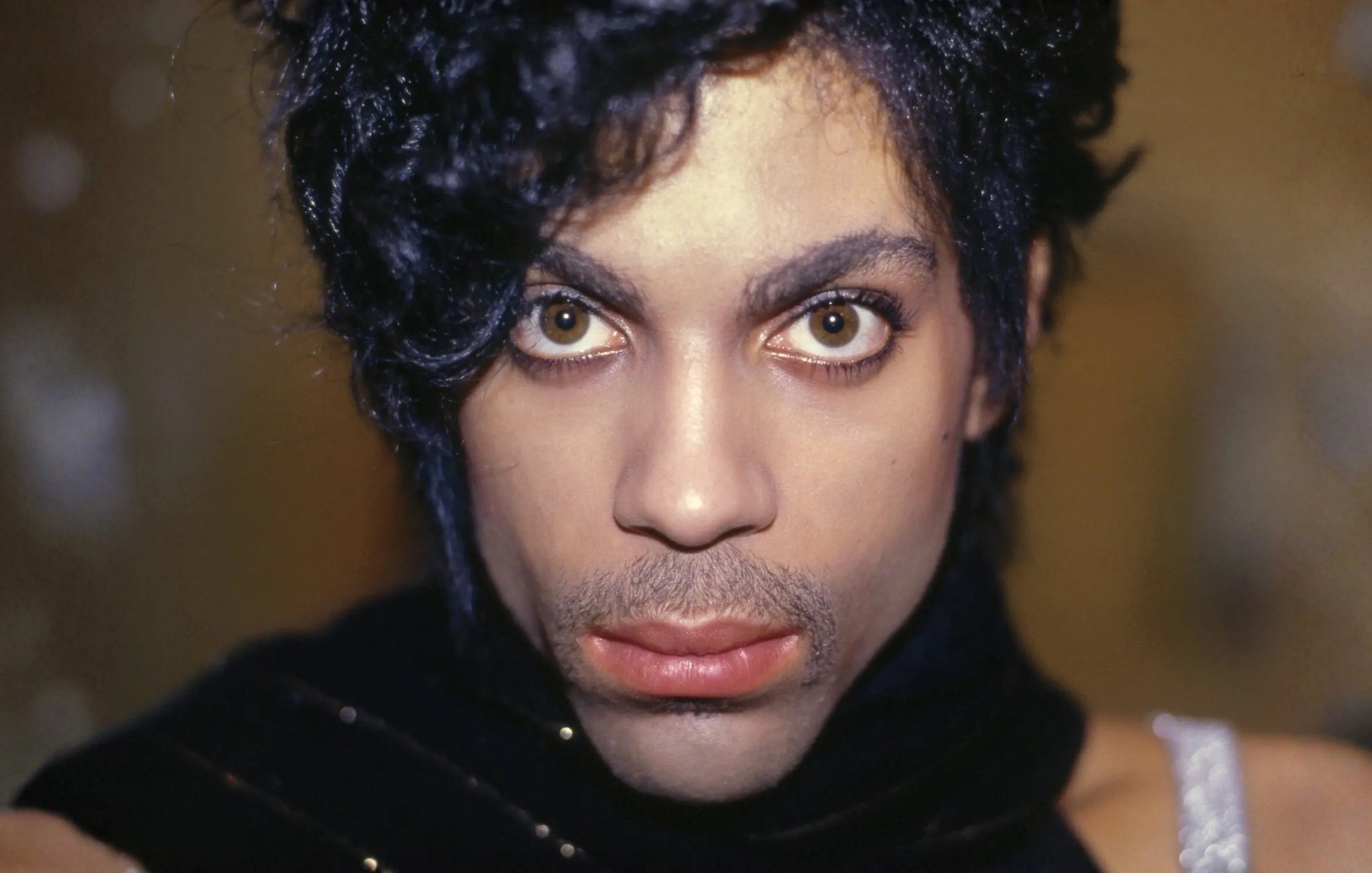
By late 1981, Prince had become one of pop music’s biggest enigmas. He was too funky for rock radio, too rock for R&B traditionalists, too sexual for mainstream television, and too unpredictable for anyone trying to package him neatly. Instead of running from the speculation surrounding his identity, Prince did something only Prince would do – he turned it into an album.
Appropriately titled Controversy, his fourth studio release wasn’t simply an attempt to stir headlines. It was a challenge. Prince dared listeners to question not only him, but also themselves.
The opening title track remains one of the boldest mission statements of his career. Over a relentless funk groove, Prince confronts the whispers that seemed to follow him everywhere. “Am I black or white? Am I straight or gay?” he asks – not because he’s looking for answers, but because he’s exposing society’s obsession with labels. The brilliance of the song is that Prince never resolves the questions. Instead, he leaves them hanging in the air, where they become the listener’s burden rather than his own.
On paper, Controversy looks like an album built to offend. Sex is everywhere. Religion appears in unexpected places. Politics creep into the lyrics. Prince even closes the title track by calmly reciting the Lord’s Prayer, a moment that was as startling in 1981 as it remains today. Some listeners viewed it as irreverent, while others saw it as deeply sincere. Prince never felt obligated to explain which interpretation was correct.
Dig beneath the provocative surface, however, and a surprisingly hopeful record begins to emerge.
“Sexuality” isn’t merely about physical attraction. It argues for acceptance, openness, and rejecting fear. “Ronnie, Talk to Russia” arrives straight from the shadow of the Cold War, urging communication over nuclear confrontation. “Annie Christian” offers one of Prince’s darkest commentaries, using real acts of violence and extremism to question what happens when a society loses its moral compass.
For all of its suggestive imagery and eyebrow-raising lyrics, Controversy repeatedly circles back to the same ideas: understanding, equality, compassion, and personal responsibility. Prince wasn’t simply trying to scandalize his audience. He was asking whether people could move beyond prejudice, hatred, and division to create something better.
That’s what makes Controversy such an enduring album. Its reputation was built on provocation, but its legacy rests on substance.
Prince understood something many artists never do: controversy attracts attention, but meaningful ideas are what survive. More than forty years later, the headlines that once surrounded the album have faded. The music, and the questions it asks, remain as compelling as ever.
For all of its seductive grooves and provocative imagery, Controversy repeatedly reveals an artist concerned with the world children inherit, the influence of media, the threat of violence, and the tension between spirituality and temptation. The shock wasn’t the message. It was the packaging.